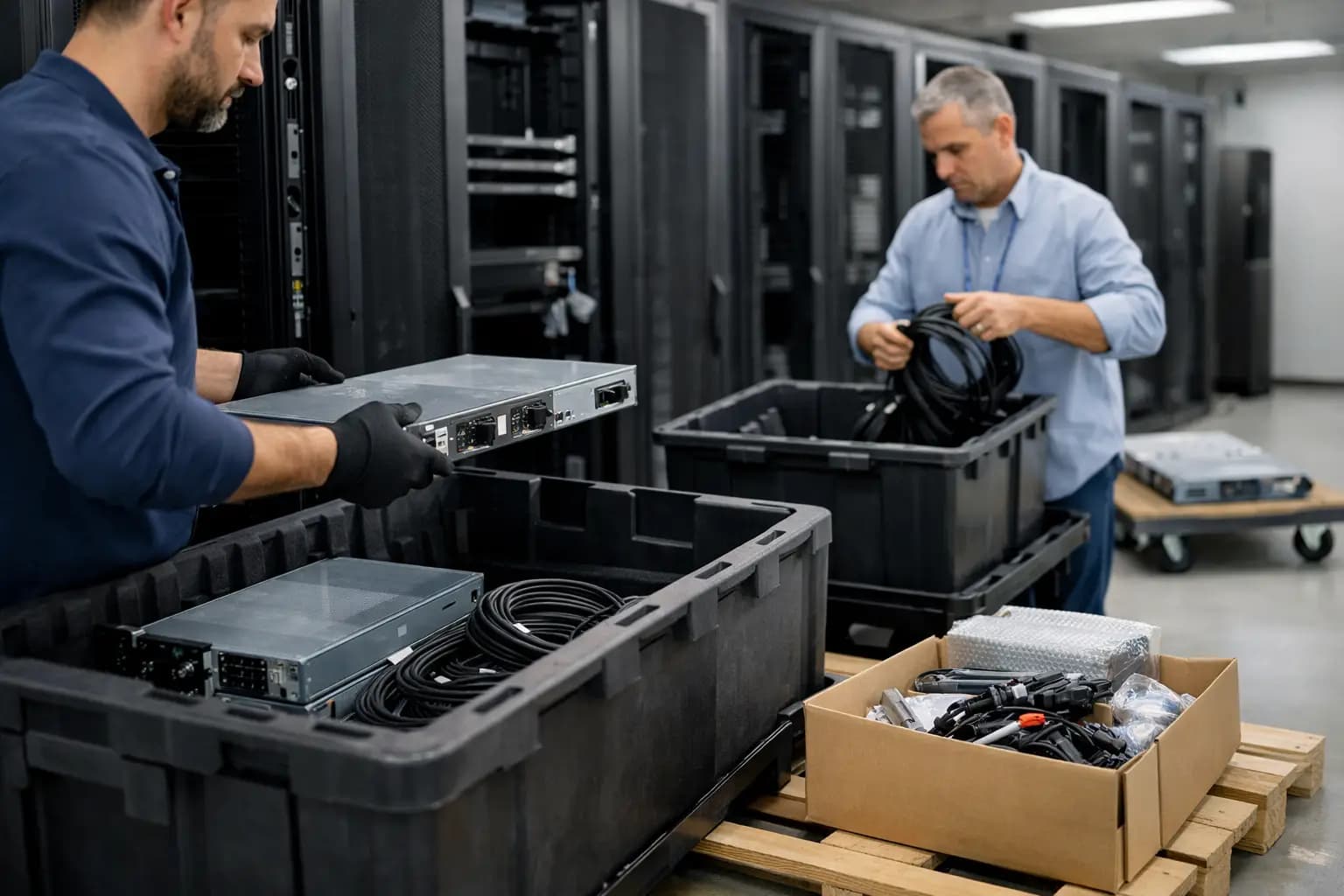

A server room cleanup can leave a business with 80 laptops, aging switches, monitors, phones, and a simple question: should these assets be disposed of or sold? IT asset disposition versus resale is not always an either-or decision. The right path depends on the equipment’s condition, the remaining market value, data risk, available internal time, and the outcome you need from the project.
For organizations replacing technology in volume, the goal is rarely to manage dozens of individual listings. It is to clear space, recover fair value, protect company information, and keep usable equipment out of the waste stream. A structured lot sale can often deliver all four.
IT Asset Disposition Versus Resale: The Real Difference
IT asset disposition, often called ITAD, is the managed process of removing retired technology from service. It can include inventory, pickup, packaging, transportation, data handling, refurbishment, resale, recycling, and documentation. In other words, ITAD describes the full end-of-use process, not just what happens to the equipment at the end.
Resale is one possible outcome within that process. When computers, servers, network equipment, storage devices, tablets, and other electronics are still useful, resale extends their working life and creates a financial return for the original owner.
The distinction matters because “disposal” is sometimes used to mean recycling or destruction. That may be necessary for damaged, obsolete, or nonfunctional assets, but it can be premature for equipment with active demand on the secondary market. A three-year-old business laptop, a working rack server, or surplus enterprise switches may have real resale value even if they no longer meet your organization’s performance requirements.
A practical approach starts by separating assets according to condition and resale potential. Equipment that can be reused should be evaluated for purchase. Equipment with no viable market may be directed to responsible recycling after the proper data and material handling steps are completed.
When Resale Creates More Value
Resale is usually the better financial choice when equipment is in working condition, reasonably current, complete enough to be useful, and available in volume. Buyers often look for business-grade laptops and desktops, servers, networking gear, storage equipment, displays, office electronics, components, tablets, and audio-visual equipment.
Age alone does not decide whether a lot is sellable. Brand, model, specifications, cosmetic condition, included accessories, and quantity all affect demand. A larger, consistent lot can be easier to evaluate and move than a small collection of unrelated devices. For example, 50 similar laptops from a scheduled refresh may be more attractive than 50 mixed units accumulated over several years.
Resale also makes sense when speed matters. Holding retired assets in a storage room has a cost. They occupy space, create inventory confusion, and continue to carry data-security concerns. The longer equipment sits, the more its value can decline as newer models enter the market.
Selling a lot to a qualified buyer avoids the burden of preparing listings, answering buyer questions, negotiating individual prices, packing shipments, and handling failed transactions. For a busy IT manager or office administrator, that labor can quickly exceed the extra dollars that a piece-by-piece sale might appear to offer.
When IT Asset Disposition Should Lead
A full ITAD process becomes essential when the project involves a broad mix of equipment, strict security requirements, equipment that cannot be resold, or an organization that needs clear chain-of-custody handling. The resale decision should come after the assets are identified and assessed, not before.
Data-bearing devices deserve special attention. Laptops, desktop computers, servers, storage arrays, mobile devices, and even some network equipment may retain confidential information. Before assets leave your control, establish who is responsible for data sanitization, what method will be used, and what records you need for internal compliance.
This is especially relevant for organizations handling customer information, financial data, employee records, health information, or intellectual property. Removing a drive without a documented process may not satisfy your internal policy. On the other hand, destroying every drive automatically can reduce the recoverable value of otherwise desirable equipment. The right choice depends on your security standards and the type of data involved.
ITAD also takes priority for equipment that is damaged, too old to be practical, incomplete, or unsupported. These assets may still contain recoverable materials, but they should not be passed into reuse channels if they are unsafe or unlikely to perform as expected.
A Better Approach: Assess the Lot Before Choosing
The strongest asset exit plan does not label an entire refresh as “resale” or “disposal” on day one. It evaluates the lot and assigns each category to the most responsible, practical destination.
Start with a basic inventory. You do not need a perfect spreadsheet to request an evaluation, but useful details improve the estimate. Include the equipment category, brand and model when available, approximate quantity, condition, whether power supplies or accessories are included, and your pickup location. Photos of the lot can also help clarify the scope.
Then consider these four questions:
- Is the equipment functional and current enough to have secondary-market demand?
- Does the lot contain data-bearing devices that require sanitization or a documented handling process?
- Is the value of selling items individually worth the staff time, storage, packing, and shipping involved?
- Which assets should be reused, and which should be recycled because they are damaged, obsolete, or not economically repairable?
This approach prevents two common mistakes. The first is recycling equipment that still has resale value. The second is trying to sell equipment that will cost more to manage than it will return.
The Cost of Selling Equipment Yourself
Direct online sales can work for a single high-value device or a small number of specialized items. For an organization retiring a full office or data center, however, self-managed resale often becomes a second project with no clear owner.
Someone must test the equipment, collect specifications, remove company identifiers, erase data, photograph devices, create listings, monitor messages, negotiate prices, package shipments, process payments, and resolve disputes. There is also the risk of partial sales, where the most desirable units leave quickly while older equipment remains behind.
A lot buyer takes a different approach. The lot is evaluated as a whole, an offer is made, and the equipment is removed in one coordinated pickup. That may not produce the highest possible price for every individual unit, but it can produce a better business result after labor, time, storage, and logistics are considered.
For most organizations, the useful comparison is not wholesale value versus the highest price found online. It is net recovery versus total effort and risk.
What a Responsible Lot Sale Should Include
A professional sale process should make the operational side easy to verify. Look for clear expectations around evaluation, pickup, transportation, payment, and data handling. Vague promises can create delays when a refresh deadline is approaching.
At minimum, confirm how the buyer evaluates quantity and condition, whether pickup and loading are included, when payment is issued after acceptance, and how data-bearing assets are handled. Ask what happens to equipment that cannot be resold. A responsible partner should have a defined path for reuse or recycling rather than treating every device as scrap.
For companies in Quebec, Techno Lot provides lot evaluations with a response guaranteed within 24 hours, free onsite pickup, packing, loading, transportation, and fast guaranteed payment after an offer is accepted. That model is designed for organizations that need to retire equipment in volume without turning the process into an internal logistics project.
Environmental Results Depend on the Final Destination
The environmental benefit of ITAD is not simply that equipment leaves your building. It comes from what happens next. Reuse generally preserves more value because it keeps an existing device in service and delays the need for a replacement unit to be manufactured.
Reselling usable equipment supports the circular economy by matching surplus technology with buyers who can still use it. Recycling remains necessary for assets at the end of their useful life, but reuse should be considered first when it is practical and safe.
That does not mean every old device deserves a second life. Equipment that is unreliable, hazardous, severely damaged, or too outdated to serve a realistic purpose should be processed responsibly. The goal is not to force resale. It is to avoid treating working technology as waste by default.
Choose the Outcome That Fits the Lot
If your retired equipment is functional, in demand, and available in meaningful quantity, resale can turn a refresh project into immediate recovered value. If the lot includes sensitive data, damaged hardware, or a mix of assets with uneven condition, a broader ITAD process provides the controls needed to sort, handle, resell, or recycle each item appropriately.
Before equipment starts gathering dust after your next upgrade, document what you have and request an evaluation. A clear assessment gives you a faster answer than guessing, protects the value that remains in your technology, and puts usable equipment back to work where it can still make a difference.